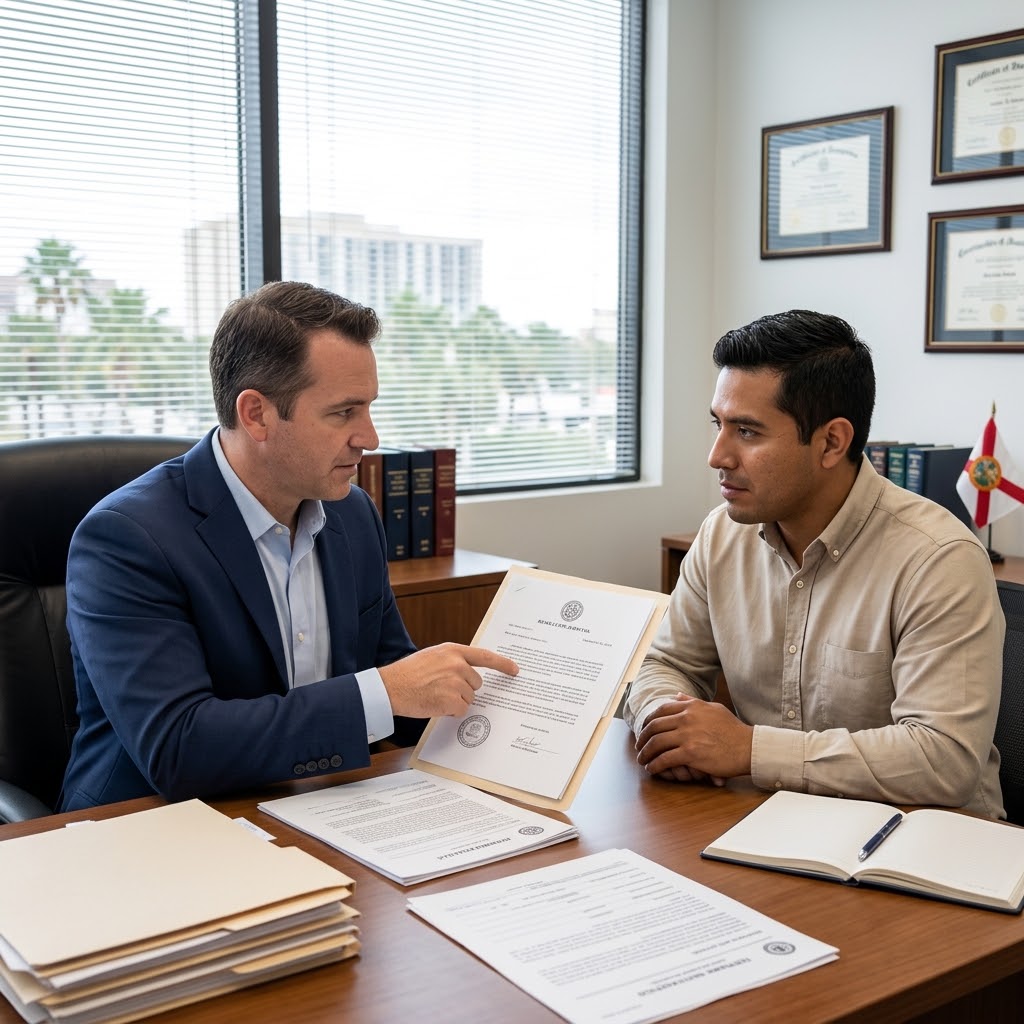
The Laken Riley Act: Transforming U.S. Immigration Enforcement
On January 29, 2025, President Donald Trump signed the Laken Riley Act into law, marking a
significant shift in U.S. immigration policy. Named in honor of a nursing student tragically killed
by an undocumented immigrant, this legislation mandates the detention of undocumented
individuals accused of specific crimes and grants states increased authority in immigration
enforcement.
Key Provisions of the Act
1. Mandatory Detention: The Department of Homeland Security (DHS) is now required to
detain undocumented immigrants accused of crimes such as theft, burglary, assaulting a
law enforcement officer, and any offense resulting in death or serious bodily injury. This
applies even if the individual has only been charged and not yet convicted.
2. State Authority to Sue: The Act empowers state attorneys general to sue the federal
government if immigration laws are not adequately enforced. This provision allows states
to seek injunctive relief to halt the issuance of visas to nationals from countries that
refuse or unreasonably delay accepting their citizens ordered removed from the U.S.
The Laken Riley Act introduces several changes that significantly affect immigrants in the
United States:
● Expansion of Detention: Previously, detention was primarily reserved for individuals
convicted of serious crimes. The new law mandates detention for those merely accused of
certain offenses, potentially leading to increased detention rates among immigrants,
including those with minor infractions.
● Due Process Concerns: Detaining individuals based solely on accusations raises
significant due process issues. Immigrants may face prolonged detention without the
opportunity for a fair hearing, challenging the presumption of innocence.
● State Intervention in Federal Immigration Policy: By allowing states to sue the federal
government over immigration enforcement, the Act introduces potential inconsistencies
in immigration policy applications across different states, leading to legal complexities
and varied enforcement practices.
It is important that if you are detained due to these changes in the law, that you contact our office
to ensure your rights are protected and you receive fair and just treatment.