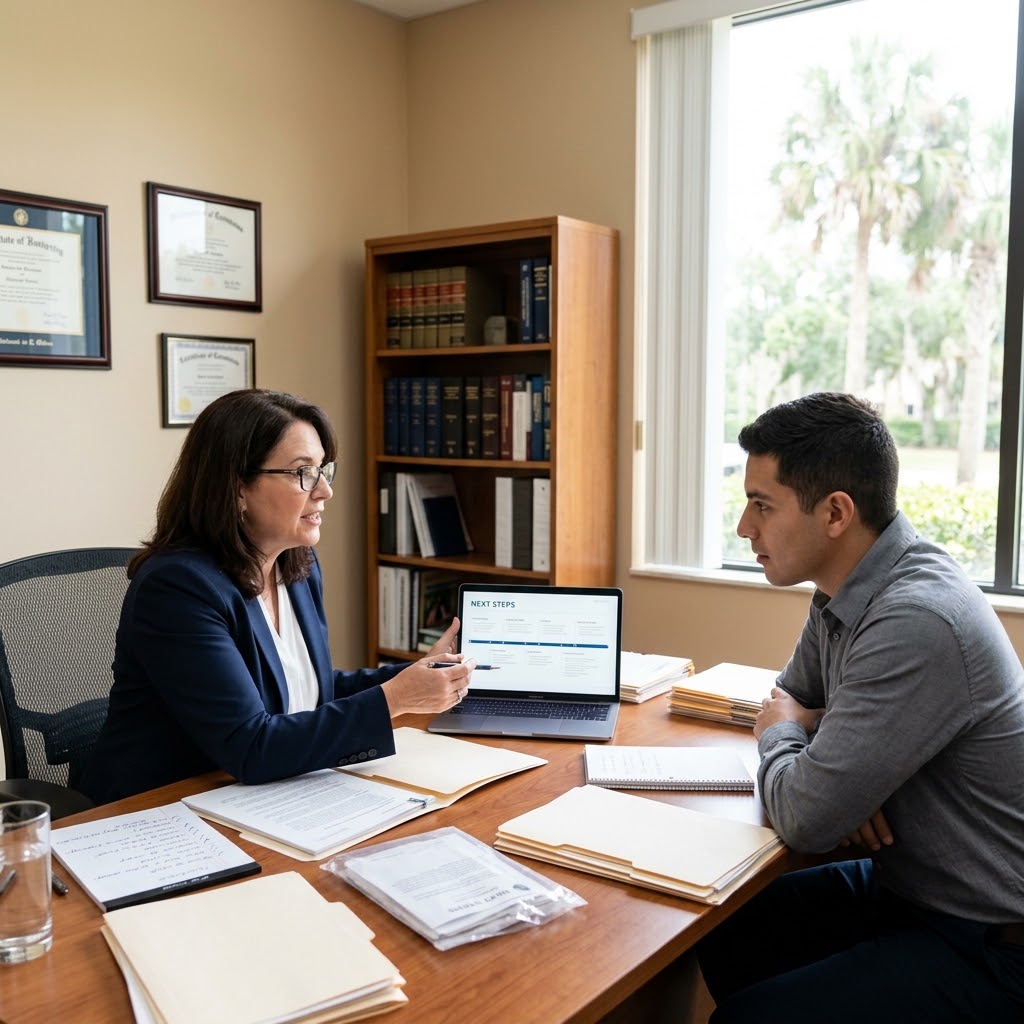
The U.S. immigration system involves federal laws, government agencies, forms, supporting documents, eligibility requirements, and deadlines that can vary depending on the type of case. For some individuals and families, working with an immigration lawyer can make it easier to understand these requirements and prepare a case appropriately.
An immigration attorney can provide legal guidance based on the circumstances of a particular case, help identify documentation that may be relevant, and represent clients in certain immigration proceedings. While legal representation does not guarantee approval, professional guidance can be especially valuable when an immigration matter involves complex eligibility questions, prior immigration issues, court proceedings, or multiple steps.
Why Consider Hiring an Immigration Lawyer?
Not every immigration matter requires the same level of legal assistance. Some applications may be relatively straightforward, while others involve circumstances that require a closer review of immigration law and an individual’s history.
An immigration lawyer may help with:
- Understanding immigration requirements and available options.
- Reviewing forms and supporting documentation.
- Identifying potential issues before an application is submitted.
- Preparing for interactions with immigration authorities.
- Representing clients in eligible immigration court proceedings.
- Explaining the potential consequences of particular immigration decisions.
The value of legal representation depends on the specific circumstances of each case. Consulting an attorney can help an individual understand whether professional assistance is appropriate for their situation.

Navigating Complex U.S. Immigration Laws and Policies
Immigration law includes different categories of visas, petitions, applications, and forms of immigration relief. The appropriate process depends on factors such as family relationships, current immigration status, employment, prior applications, and other circumstances.
Understanding Federal Regulations and Immigration Agencies
Several federal agencies are involved in different aspects of the U.S. immigration system, including U.S. Citizenship and Immigration Services (USCIS), Immigration and Customs Enforcement (ICE), and Customs and Border Protection (CBP).
An immigration lawyer can explain which agency is involved in a particular matter and what procedures may apply. This can be useful when a case involves multiple forms, notices, deadlines, or legal requirements.
Keeping Up With Changes in Immigration Law
Immigration laws, regulations, forms, and government procedures can change. An attorney who regularly handles immigration matters can help clients understand the rules that apply to their particular case at the time of consultation or filing.
However, legal representation should not be understood as a guarantee against delays, requests for additional evidence, or changes in government policy. Immigration decisions remain subject to the applicable laws and the relevant government agency or court.
Avoiding Common Mistakes in an Immigration Case
Errors in an immigration application can create additional complications. Reviewing the requirements before filing can help applicants identify issues that may otherwise be overlooked.
Reviewing Forms and Deadlines
Immigration cases often involve specific forms, supporting documents, filing requirements, and deadlines. An immigration attorney can review the information provided by a client and help determine which documents and forms may be relevant.
Legal assistance may also be useful when a case involves previous applications, changes in immigration status, or other circumstances that require additional documentation.
Understanding Potential Problems Before Filing
Some immigration cases involve issues that may require legal analysis before an application is submitted. These can include prior immigration violations, previous denials, criminal history, questions about eligibility, or complicated family circumstances.
An attorney can review the available information and explain potential concerns and possible legal options. This does not guarantee a particular result, but it can help the applicant make a more informed decision about how to proceed.

How an Immigration Lawyer Can Help Present Your Case
An immigration lawyer’s role is not simply to complete forms. Depending on the type of case, an attorney may review evidence, prepare legal documents, communicate with government agencies, or represent a client during immigration proceedings.
Organizing Evidence and Supporting Documents
The evidence required depends on the immigration benefit or legal proceeding involved. Supporting documentation may include identity records, family relationship documents, financial records, employment information, previous immigration records, or other evidence relevant to the case.
An attorney can help identify documentation that may be relevant and explain how it relates to the legal requirements of the case.
For matters involving humanitarian relief or other forms of protection, the evidence and legal requirements can be particularly important. A lawyer can review the circumstances presented by the client and explain what information may be necessary to support the application or defense.
Representation in Immigration Court
Some immigration matters involve proceedings before an immigration court. In those situations, an immigration attorney can explain the proceedings, prepare legal filings when appropriate, and represent the client during eligible hearings.
Court proceedings can involve complex procedural and legal questions. Having legal counsel can help a respondent understand the allegations or claims involved and the forms of relief that may potentially be available based on the facts of the case.
Benefits for Families
Immigration matters can affect spouses, parents, children, and other family members. Family-based immigration processes may involve petitions, applications, visas, adjustment of status, or consular processing depending on the circumstances.
Helping Families Understand Their Immigration Options
An immigration lawyer can review a family’s circumstances and explain which immigration processes may be relevant. This may include family petitions, immigrant visas, adjustment of status, or other available procedures.
The attorney can also explain the documentation and steps associated with the selected process. Because every family has different circumstances, the appropriate immigration strategy depends on the individual case.
Family Petitions and Immigration Applications
Family immigration cases can involve multiple forms and stages. Legal assistance may help families understand the relationship requirements, supporting documentation, and procedural steps involved.
An attorney can also identify potential issues that should be addressed before filing, particularly when a family member has previous immigration history or other circumstances that may affect eligibility.
Benefits for Employment-Based Immigration
Businesses and employees may also seek legal assistance with employment-related immigration matters. Depending on the circumstances, these cases can involve temporary work authorization, employment-based immigrant visas, or other immigration processes.
Employment-Based Visa Applications
An immigration lawyer can help employers and employees understand the requirements associated with an employment-based immigration process and identify the documentation that may be required.
The appropriate visa or immigration category depends on factors such as the position, qualifications, employer, and circumstances of the foreign national. Legal counsel can explain the applicable requirements and help coordinate the necessary documentation.
Long-Term Immigration Planning
Some employment-based immigration matters involve multiple stages or require planning over time. An attorney can explain the available processes and how different immigration steps may relate to one another.
Because eligibility requirements vary by category, professional legal advice should be based on the individual’s and employer’s specific circumstances.
What Are the Benefits of Having a Skilled Immigration Attorney?
One of the main benefits of working with an immigration attorney is having a legal professional review the circumstances of a case and explain the applicable requirements.
A qualified immigration lawyer can provide assistance with:
- Immigration forms and supporting documentation.
- Family-based immigration matters.
- Employment-based immigration.
- Adjustment of status.
- Citizenship and naturalization.
- Immigration court proceedings.
- Certain humanitarian immigration matters.
- Requests or notices received from immigration authorities.
When choosing an attorney, it is important to verify that the lawyer is licensed to practice law and has experience with the type of immigration matter involved.
Choosing the Right Lawyer for Your Situation
Consider asking:
- Does the attorney regularly handle immigration cases?
- Does the lawyer have experience with cases similar to yours?
- Who will be responsible for your case?
- What services are included in the legal fee?
- What additional costs could arise?
- How will the firm communicate with you about your case?
Membership in a professional organization can provide additional information about an attorney’s professional involvement, but membership in an organization should not be presented as a certification or guarantee of a particular outcome.
Your Path to Citizenship and Naturalization
Citizenship and naturalization applications involve specific eligibility requirements and documentation. For some applicants, legal assistance can be useful when reviewing their immigration and personal history before filing.
Guidance Through Naturalization Requirements
An immigration attorney can help applicants understand requirements related to naturalization, including eligibility, residence, physical presence, and other applicable requirements.
The attorney may also review information provided by the applicant and identify circumstances that could require additional legal analysis before submitting Form N-400.
Applicants should provide complete and accurate information about their immigration history and personal circumstances. When questions arise about eligibility, consulting an immigration lawyer before filing can help clarify the applicable requirements.
Understanding Your Rights and Responsibilities
Immigration status comes with legal rights and responsibilities. An attorney can explain how specific circumstances may affect a person’s immigration status and what legal options may be available if an issue arises.
Legal guidance can be particularly useful when someone receives a notice from an immigration agency, faces a change in circumstances, or has questions about a previous immigration application.
How The Angel Law Firm Can Help
The Angel Law Firm provides immigration legal services in Orlando and Central Florida. Its website lists several areas of immigration law, including deportation defense, family petitions and visas, adjustment of status, citizenship and naturalization, immigration court matters, Temporary Protected Status (TPS), employment authorization, immigrant visas, consular processing, DACA, VAWA, and LGBTQ immigration.
The firm also states that its attorneys and staff provide assistance in English and Spanish. Attorneys Mercado and Roeckell are personally involved in processing cases and handling legal matters.
For someone considering whether to hire an immigration lawyer in Orlando, reviewing the nature of the case, the applicable immigration process, and the type of legal assistance needed can be an important first step.
Frequently Asked Questions
What are the main benefits of hiring an immigration lawyer?
An immigration lawyer can help explain applicable requirements, review forms and documentation, identify potential issues, and provide legal representation in eligible immigration matters. The benefits depend on the complexity and circumstances of each case.
Do I need an immigration lawyer for every immigration application?
No. The need for an attorney depends on the individual circumstances and complexity of the immigration matter. Some people may choose to handle straightforward applications themselves, while others may benefit from professional legal guidance.
Can an immigration lawyer guarantee approval?
No. An attorney cannot guarantee that USCIS, an immigration court, or another government agency will approve a case. A lawyer can provide legal guidance and representation based on the facts and applicable law.
When should I contact an immigration lawyer?
You may consider consulting an attorney before submitting a complicated application, after receiving a notice from an immigration agency, when dealing with previous immigration problems, or when facing immigration court proceedings.
Can an immigration lawyer help with family immigration?
Yes. Immigration attorneys may assist with family petitions, immigrant visas, adjustment of status, and other family-based immigration processes, depending on the circumstances of the case.
Can an immigration lawyer help with citizenship?
Yes. An immigration attorney can explain naturalization requirements, review an applicant’s circumstances, and provide legal assistance when questions or potential eligibility issues arise.
Does The Angel Law Firm handle immigration cases in Orlando?
Yes. The Angel Law Firm states that it provides immigration legal services in Orlando and Central Florida and lists multiple immigration matters among its areas of service.
Final Thoughts
Hiring an immigration lawyer can be particularly useful when an immigration matter involves complicated legal requirements, previous immigration issues, court proceedings, or multiple procedural steps.
The right decision depends on the circumstances of each case. Before hiring an attorney, consider their credentials, relevant immigration experience, communication process, services, and fees. A consultation can help you understand your situation and determine what type of legal assistance may be appropriate.